Everything your Savannah needs
Congratulations on welcoming your new SavCats kitten home, and joining the legacy of the most breathtaking Savannahs in the world. These stunning hybrids of domestic cats and African servals are intelligent, active, and affectionate, but they require specialized care. This guide gives you a quick rundown of what to expect when you bring your SavCat home, and how to care for them.

New to Savannahs, or years in? Join our community forum on SavCatChat, where thousands of owners trade advice, stories, and honest answers about life with these cats.
What's in this guide
Bringing Your SavCat Home
The first days set the tone for years. Savannahs are intensely curious and bond quickly when introduced calmly. Prepare the space before your kitten arrives, then let them set the pace.
Kitten-proof the space first
 Remove breakables and secure loose wires and cords
- Block off unsafe spots: the washer, dryer, and the gap behind the fridge
- Remove toxic plants & flowers: peace lily, true lilies, aloe, pothos, philodendron, tulips
Set up a quiet room
Start your SavCat in one small room without hard-to-reach hiding spots, stocked with everything they need:
- Their carrier, left open, they came home in it, so it already feels safe and becomes a favorite resting spot
- Food and a water fountain (see Section 2)
- Unscented litter and a box (see Section 3); add a Litter-Robot once they pass 3 lbs
- A scratching post and a cozy bed
- Plenty of safe toys, avoid stuffed or chemically dyed toys (see Section 4)
Keep your kitten in the safe room at first. Sit on the floor, read aloud, and let them approach you. Expand their territory one room at a time over the first week.
Quarantine a new kitten for at least 10 days before introducing other pets, and build your bond first. Sit or lie on the floor at their level, keep noise low, and avoid over-handling for the first few days.
Nutrition & Feeding
Savannahs are obligate carnivores with high energy needs. Feed a high-protein, low-carb diet: premium grain-free wet, a complete raw program, or a thoughtful combination. Fresh water always available.
Fed like family: every SavCats kitten starts life on heirloom, air-chilled chicken, never commodity feed. This section shows you how to keep that standard going at home.
We recommend a raw diet: it mirrors the prey-based diet of their wild serval ancestors and supports lean muscle, healthy digestion, a glossy coat, and steady energy. We make ours by grinding organic whole chickens (bones and organs included) and adding essential feline supplements; a butcher can grind it for you, just be sure the bones and organs go in. Dose each supplement by your kitten's weight and follow the label.
Four ways to feed
Grind organic whole chickens with an industrial grinder, bones and organs included, and add the feline supplements below. A butcher can grind it for you; just be sure bones and organs go in.
A service like Viva Raw feeds species-appropriate raw with no meal prep, and already includes supplements. 20% OFF · CODE SAVCATS
Our queen Porsche eats only quail (and the rare goose). Have it delivered from El Super or Vallarta Supermarkets. $10 OFF INSTACART · CODE MDE3AD91DC
Some stores carry brands like Primal (below). If you feed freeze-dried raw, use it as a topper, it can be dehydrating, so keep fresh water available.
Recommended raw food options
Homemade with a grinder is our first choice. Short on time? Any option below works well.



Supplements for homemade food
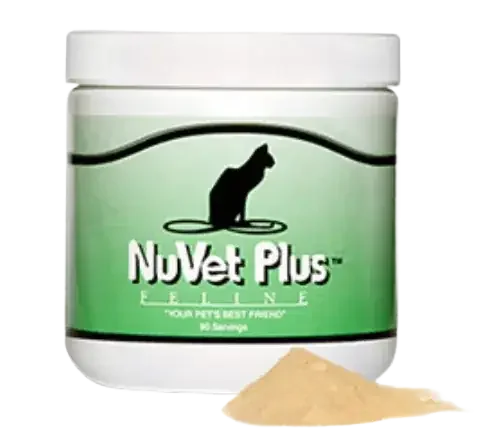
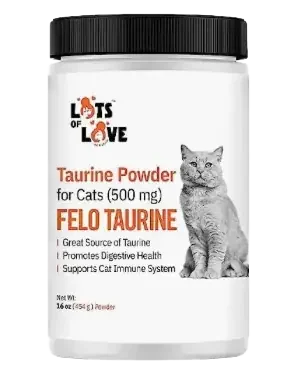
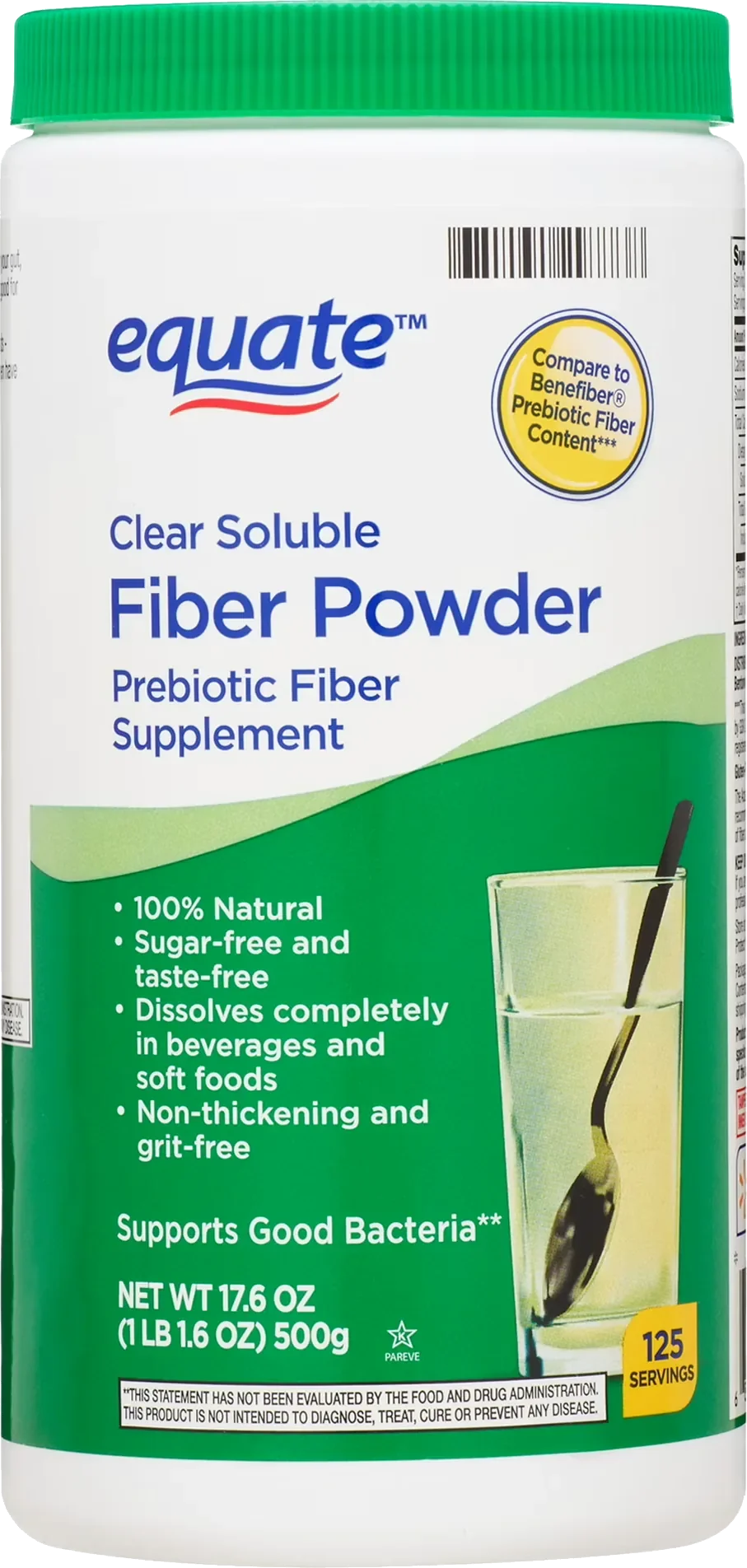

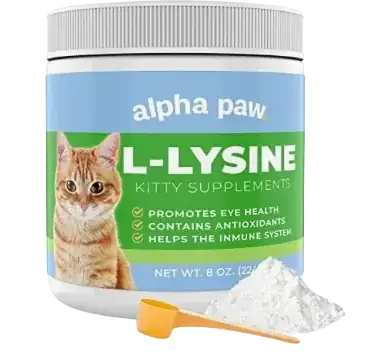
Some links above are affiliate links. They open in a new tab and help support this free guide at no cost to you.
Cats need the bone content of a proper raw diet, you cannot feed plain ground chicken with no bone on a regular basis. If you must do it occasionally while traveling, add a calcium supplement such as Alnutrin with Eggshell Calcium to keep nutrition balanced.
What raw actually costs
| Food option | Cost per lb of meat |
|---|---|
| Raw from local pet stores | $7.50,$8.50/lb |
| Spanish Quail with organs | $4/quail* |
| Canadian Quail, Halal, no organs | $2.49/quail* |
| Mexican Quail, Guilotas Supremas, some organs | $7.99/lb ($1.99/quail)* |
| Viva Raw, Chicken | $6.75 $5.40/lb 20% off · code SAVCATS |
| Homemade, food-grade organic chicken, air chilled | $2.99/lb* |
*Plus the cost of supplements. Viva Raw and pet-store raw already include supplements. Prices are based on Los Angeles, CA and vary by location.
Feeding schedule (minimum)
- 8-12 weeks: 4 meals a day
- 3-6 months: 3 meals a day
- 6 months+ : 2 meals a day
Savannahs aren't prone to overeating, so you can feed more often without concern.
Bowls & water
- Use a wide, elevated stainless-steel or ceramic bowl, narrow bowls cause whisker fatigue, and wash it daily with hot water and mild, fragrance-free soap
- Offer fresh water daily at room temperature (about 65-75°F / 18-24°C); water that's too cold can put cats off drinking
- Most cats prefer a circulating fountain. We use the Petlibro fountain, reliable, easy to clean, with a wireless option that runs during a power outage
- Disinfect bowls and fountains after use and dry before refilling; never leave raw food out longer than 2 hours
Never switch foods abruptly. Mix the new food in over 7-10 days. Savannahs have sensitive stomachs and a sudden change often means loose stool.
Litter Training
Most Savannah kittens arrive already litter-trained. Your job is to keep it effortless: big boxes, clean litter, smart placement.
- Start with the litter they already know; if you switch brands, transition slowly. We like World's Best Cat Litter
- One box per cat plus one, and go oversized
- Unscented clumping litter; scoop twice daily and wash the box weekly
- Keep boxes in quiet, easy-to-reach spots
- Once your SavCat passes 3 lbs, an automatic box like the Litter-Robot keeps things spotless. $50 OFF
Mental Stimulation & Enrichment
A bored Savannah is a destructive Savannah. These are athletic, problem-solving cats: give their brains and bodies a real job every day.
Savannahs are intensely social and thrive on companionship. If your days are busy and you can't take your SavCat everywhere (like we do), a second Savannah is the perfect solution, they keep each other entertained, mentally sharp, and emotionally fulfilled. See available kittens →
Interactive play
- Two daily wand-play sessions (15+ minutes) that simulate hunting; we recommend undyed feather toys, chemically treated toys can be harmful
- End laser-pointer sessions on a physical “kill” toy so play finishes with a real reward
- Never play with your hands or feet, it teaches biting and scratching. Always redirect that energy to a toy
Toys & puzzles
- Rotate toys weekly and offer puzzle and treat-dispensing toys to beat boredom
- Never leave a Savannah alone with stuffed toys, torn stuffing is a choking and internal-blockage hazard
Climbing & scratching
- Provide tall cat trees, wall shelves, and both vertical and horizontal scratchers
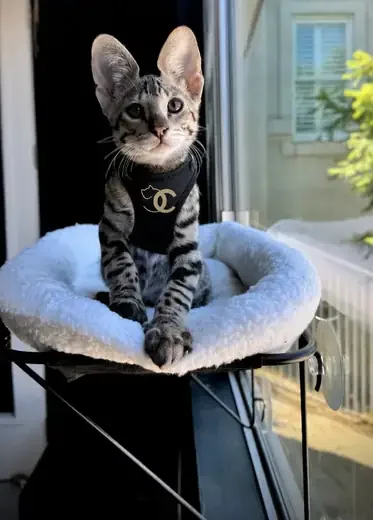
- Add window perches for a sunny lookout; a large exercise wheel suits Savannahs that love to run

Nighttime habits
- If they bring toys to bed, don't engage, it teaches them to wake you at night
- Play hard a couple of hours before bed, then feed, to mimic the natural hunt-and-eat cycle
- Put toys away once playtime is over to reinforce calm during rest hours


Socialization & Bonding
Savannahs are famously dog-like and loyal, but bonds are built on the cat's terms. Handle your kitten gently every day, introduce new people and experiences gradually, and let them approach first so they grow up confident rather than reactive.
Handling
- Gently handle your kitten daily so grooming, nail trims, and petting feel normal
- Reward calm behavior with treats and affection
Meeting new people
- Introduce new people gradually, one at a time
- Always let your kitten make the first approach
Training with finger snaps
No clicker needed, your fingers are always with you. Snap the instant your cat does the right thing (sit, hand-touch), then reward with a small, high-value treat. Stay consistent, and add verbal cues like “sit” once it's reliable.
Health & Veterinary Care
Find an exotic-experienced vet before you bring your kitten home. Savannahs are generally robust, but they have a few breed-specific considerations.
- Book a first vet check within 5-7 days of arrival; waiting a few days lets your kitten settle and arrive less stressed. Bring breeder records, vaccination info, and a diet list
- Your SavCat already has 2 FVRCP vaccinations and 3 rounds of deworming. Two more FVRCP rounds are optional and at your discretion; otherwise follow your vet's schedule
- Schedule spay/neuter and microchipping together, recommended before 6 months and required by 7 months, the chip is placed painlessly while under anesthesia
- We recommend pet insurance such as Healthy Paws (around $20/month per cat); enroll early, before any pre-existing conditions
Use only a killed/inactivated FVRCP vaccine, and never give your Savannah the FIV/FeLV or FIP (coronavirus) vaccines, they void our health guarantee.
This guide is educational, not veterinary advice. Always consult your own veterinarian for medical decisions.
Grooming & Hygiene
Savannahs are low-maintenance groomers. Their short, spotted coat needs little more than a weekly once-over, but start handling routines early so nail trims and dental care stay stress-free for life.
Coat care
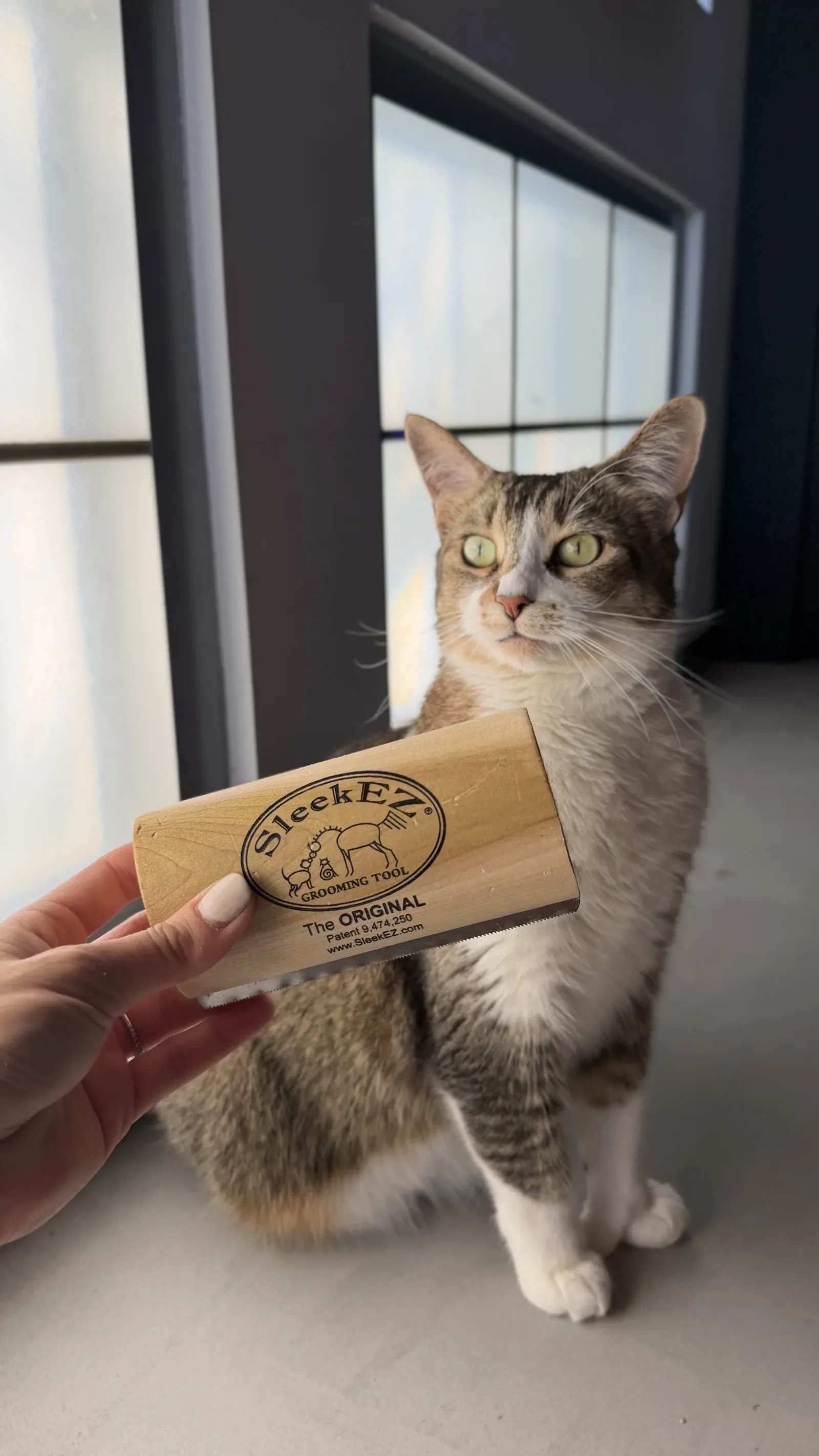
- Short, low-shedding coat, Savannahs shed far less than most cats. No routine brushing needed, just a once-over with the SleekEZ brush when they're shedding their winter coat, it's the one we use on all our cats
Nail trimming
- Trim every 1-2 weeks with Japanese nail clippers; start young and handle the paws often so it feels normal
- Gently press the paw to extend the claws, trim just the sharp tip, and avoid the pink quick
- Go slow, offer treats, and take a break if they get stressed
Declawing is painful and inhumane. Provide appropriate scratchers instead and keep nails trimmed every 1-2 weeks.
Dental health
- A raw diet naturally scrapes plaque as they chew; introduce feline toothpaste early
- Dental treats or water additives help too
Cleaning eyes & nose
- Loosen crust with a warm (not hot) compress, then wipe gently outward with a fresh cloth for each eye
- If the nose looks dry, a tiny bit of unscented, food-grade organic grass-fed beef tallow is a safe natural moisturizer
Keep petroleum-based products and essential oils away from your kitten, use only products specifically labeled cat-safe.
Travel & Harness Training
Your SavCat comes to you already car- and harness-trained. Keep building on it, and a GPS tracker is cheap insurance for such a fast, curious cat.
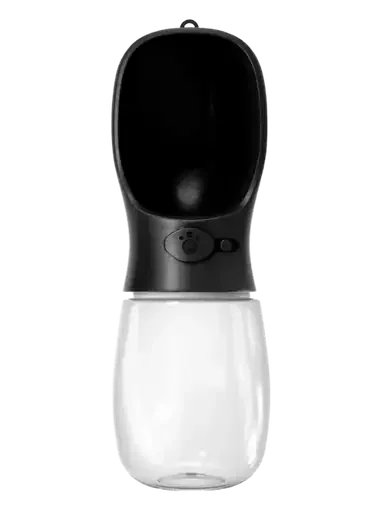
- Big Savannahs can reach 18-20 lbs full grown, a cat stroller and a BPA-free travel water bottle make outings easy
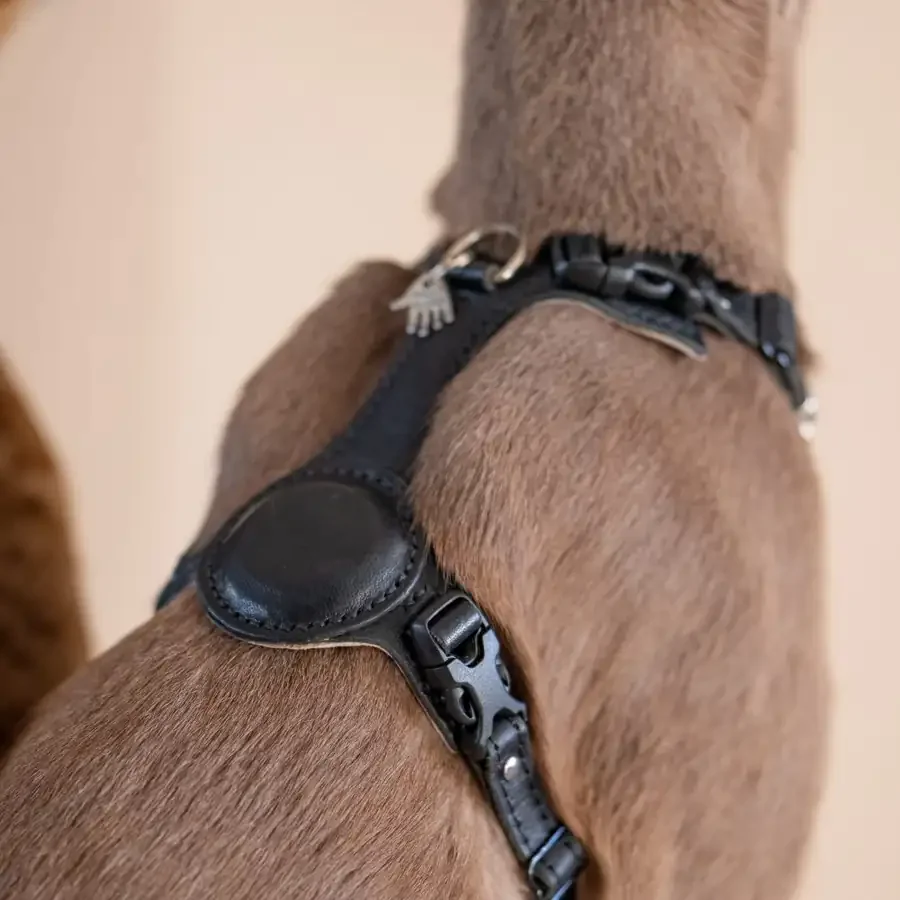
- Your kitten will outgrow their first harness. Our pick for the next is a handmade Emma Céline harness, mention 5% OFF · CODE SAVCATS. Contact Emma before ordering, Savannahs need custom measurements
- Add a Fi GPS collar for real-time tracking, $20 OFF. Bring the Fi base when you travel so the battery stays charged
- We send every kitten home with a luxury airline-approved carrier and a blanket carrying mom's scent to ease travel stress, always secure and zip it before opening car doors


Important Notes
Ownership rules differ by location and generation. Confirm the law where you live before committing to a kitten.
- Legality varies by state, county, and city, and often by F-generation (check the rules for your state)
- Microchip and register; keep TICA papers and records together
- Consider pet insurance early, before any pre-existing conditions
Escape-Proofing
Savannahs are escape artists: they jump high, open doors, and slip through gaps you'd swear were too small. Treat your home like a habitat.
- Run a double-door system, always close the first door before opening the second so a fast cat can't slip out
- Install pet-proof lever locks on doors and cabinets, and reinforce window screens so they can't be pushed out
- Use a Fi GPS tracker $20 OFF. The Series 3 lasts about 3 months on home WiFi; we keep ours above 80% so there's always battery if a cat gets out
- Supervise balconies and open windows, ideally with a harness, and never rely on a standard screen
Remove toxic plants (peace lily, true lilies, aloe, pothos, philodendron, tulips), secure cords, and block off hazards like the washer, dryer, and the gap behind the fridge. Keep essential oils away. See our full "Keeping Your Cat Safe at Home" article.
Daily Care Checklist
A quick daily rhythm keeps a Savannah happy and healthy.
| Task | Frequency |
|---|---|
| Feed kitten | 2-4 times/day |
| Fresh water | Daily |
| Clean litter box | 1-2 times/day |
| Playtime | 30-60 min/day |
| Grooming | 1×/week |
| Nail trimming | Every 1-2 weeks |
| Tooth brushing | 1×/week |
| Vet check | As advised |
Temperament & Training
Savannahs are extraordinary, intelligent, playful, endlessly curious, and deeply bonded to their people. With the right foundation, a Savannah can be the right cat for almost any home. Every SavCats kitten is raised with extensive early socialization and confidence-building, so they arrive ready to thrive with you.
They're active and love engagement, that's the joy of the breed, and training is what turns all that energy into the perfect companion. We set you up to succeed from day one, and we're always just a message away.
Want extra help? We offer extended training beyond 12 weeks of age for an additional fee, personalized coaching to shape exactly the companion you're dreaming of. A Savannah is a 15-20 year friendship, and we'd love to be part of the journey. Ask us about extended training →
The SavCats Shopping List
Owner perks you won't find anywhere else, use our links and codes to save on everything we recommend.
A portion of every SavCat sale is donated to a local cat shelter to help save cats in need. When you shop through our links and codes, you help us keep rescuing. Thank you, the SavCats family.
Ready to meet your Savannah?
See available kittens from our cattery, raised and trained for their new families.